2 Roofing Terms Every Homeowner Needs to Know
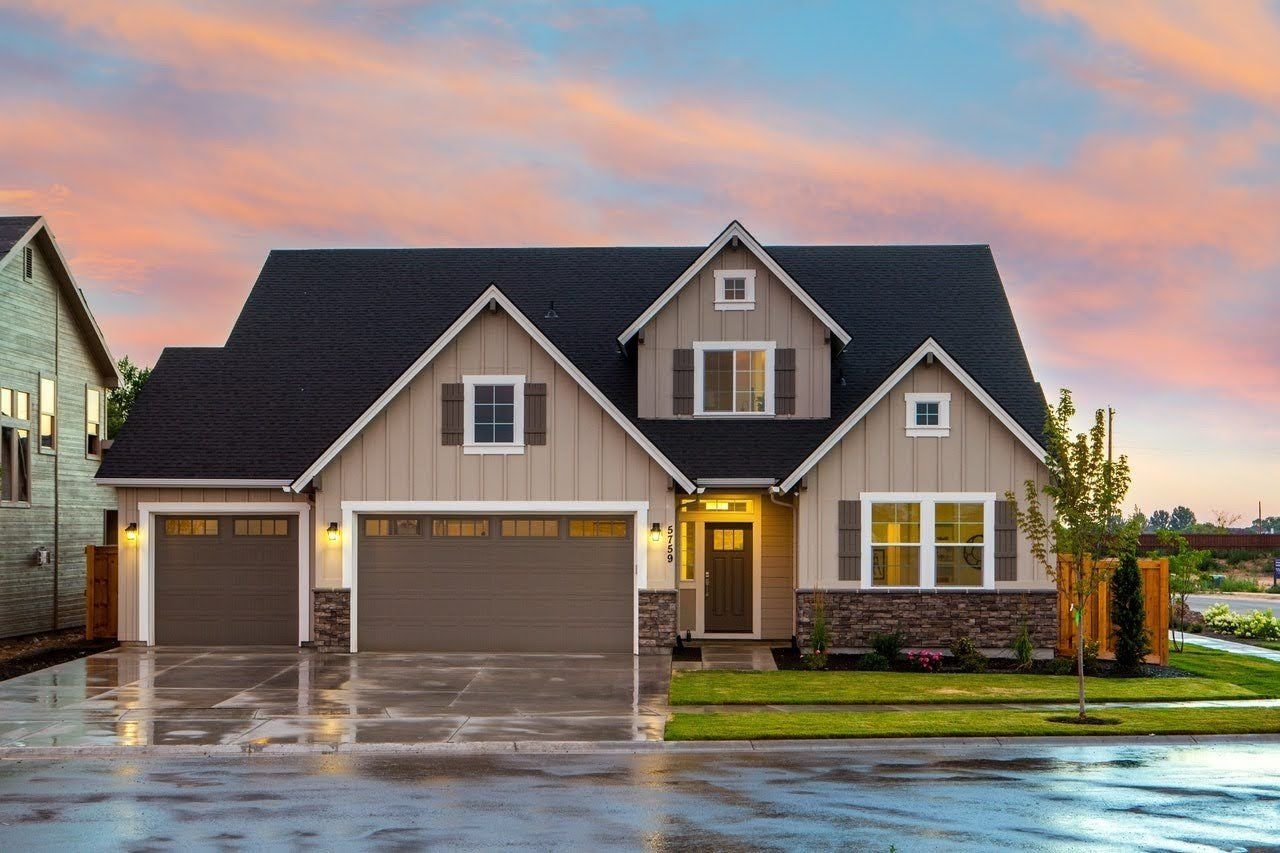
Homeowners understand regular roof maintenance prolongs the life of their property and lessens the chance for nasty surprises like leaks. Whether you perform periodic roof inspections yourself or employ an expert to advise you with regards to roofing problems, you need to be familiar with some common roofing terms. Take a look at these two roofing terms every homeowner needs to know.
1. Flashing
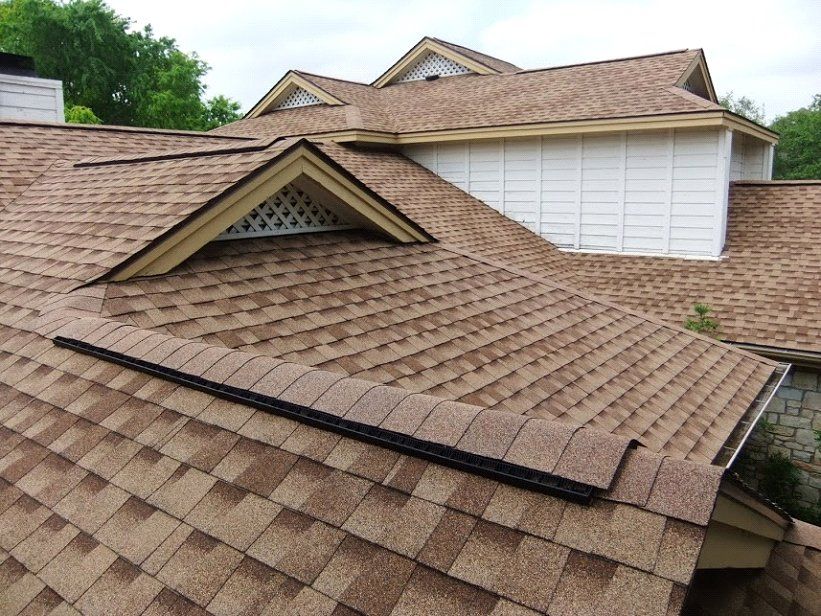
Most roofs contain a myriad of junctures, protrusions, and other vertical surfaces that interrupt the protective plane of roof shingles. Moisture can easily creep into tiny cracks between shingles and a variety of obstacles like sky lights, dormer windows, ventilation pipes, seams, and walls. Ultimately moisture can seep below shingles, encounter roof decking, and cause water damage.
To prevent the introduction of moisture in these instances, roofers place flashing in critical areas. Flashing is thin pieces of metal that help direct water down and away from roof shingles. You may see flashing wrapped around the base of a chimney to keep water out of crevices between the chimney and shingles
Flashing can be made of malleable metals like aluminum, steel, and even copper. Different forms of flashing are found in different areas of a roof. For instance, valley flashing rests in the valley where two roof peaks meet to help direct water off the roof, much like a miniature stream. Step flashing is useful where the roof meets a wall because its 90-degree angle ensures water flows away from the wall and onto the roof.
Roof flashing in disrepair is unable to perform its original function. During the inspection, a roofer will look for signs that indicate a repair is necessary. Corrosion, rust, holes, and bent sections mean the integrity is less than optimal. Loose and missing nails indicate a section of flashing could shift and even slide out of place. Signs of damage mean the roof deck and structure is at risk for water damage.
2. Pitch
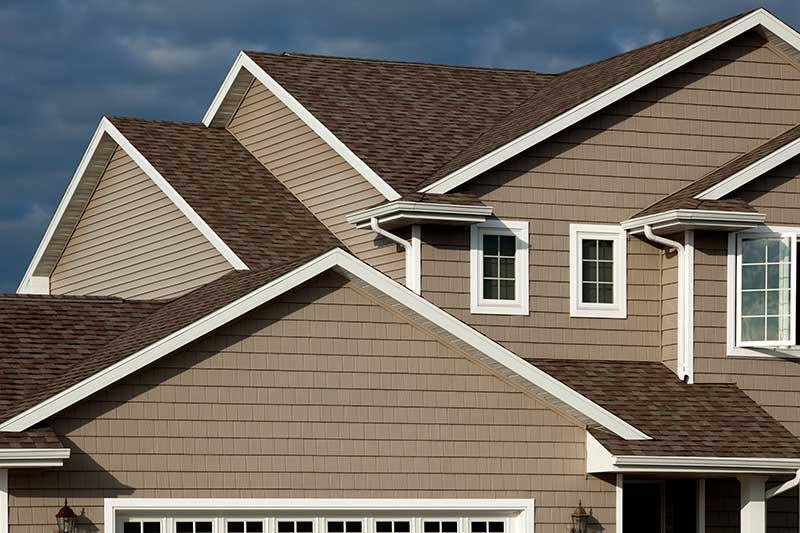
The pitch of a structure's roof is a description of its angle or steepness. A very high-pitched roof possesses steep sides, while a low-pitched roof appears flatter. Most roofers refer to the pitch of a roof as a set of numbers that indicates the measurement of both vertical and horizontal planes. For example, a roof that rises five vertical feet for every 12 horizontal feet has a pitch of 5/12 .
Homeowners should understand the importance of roof pitch because slope determines what kind of materialswork best when repairs are necessary. Do-it-yourselfers may incur unnecessary costs when they use the wrong materials for their pitch after several years of failed roof performance.
For example, wood and slate shingles are exceptional for steep roofs but tend to fail when the pitch of a roof is lower than 4/12. A flatter slope is prone to water pooling, which can damage wood and slate shingles that do mesh tightly. In this case, an owner should replace wood or slate shingles with composite shingles that lock more tightly together.
Additionally, roof pitch can dictate your property maintenance plan with regards to the roof. Steep pitches allow water and debris to fall more freely. A flatter roof will collect water and debris like dirt and leaves. In either case, Homeowners need to turn a sharp eye to where runoff collects – either the gutter or the roof- and remove debris in a timely manner.
You can better maintain the roof of your greatest investment with a better understanding of roofing terms. You are also better equipped to discuss roofing issues with a qualified roofer when a problem arises beyond your capabilities.
ABCO Roofing is happy to lend a hand when you have questions about the roof on your property. Call us when you need an expert to inspect your roof today.