Three Common Roof Designs and Their Advantages
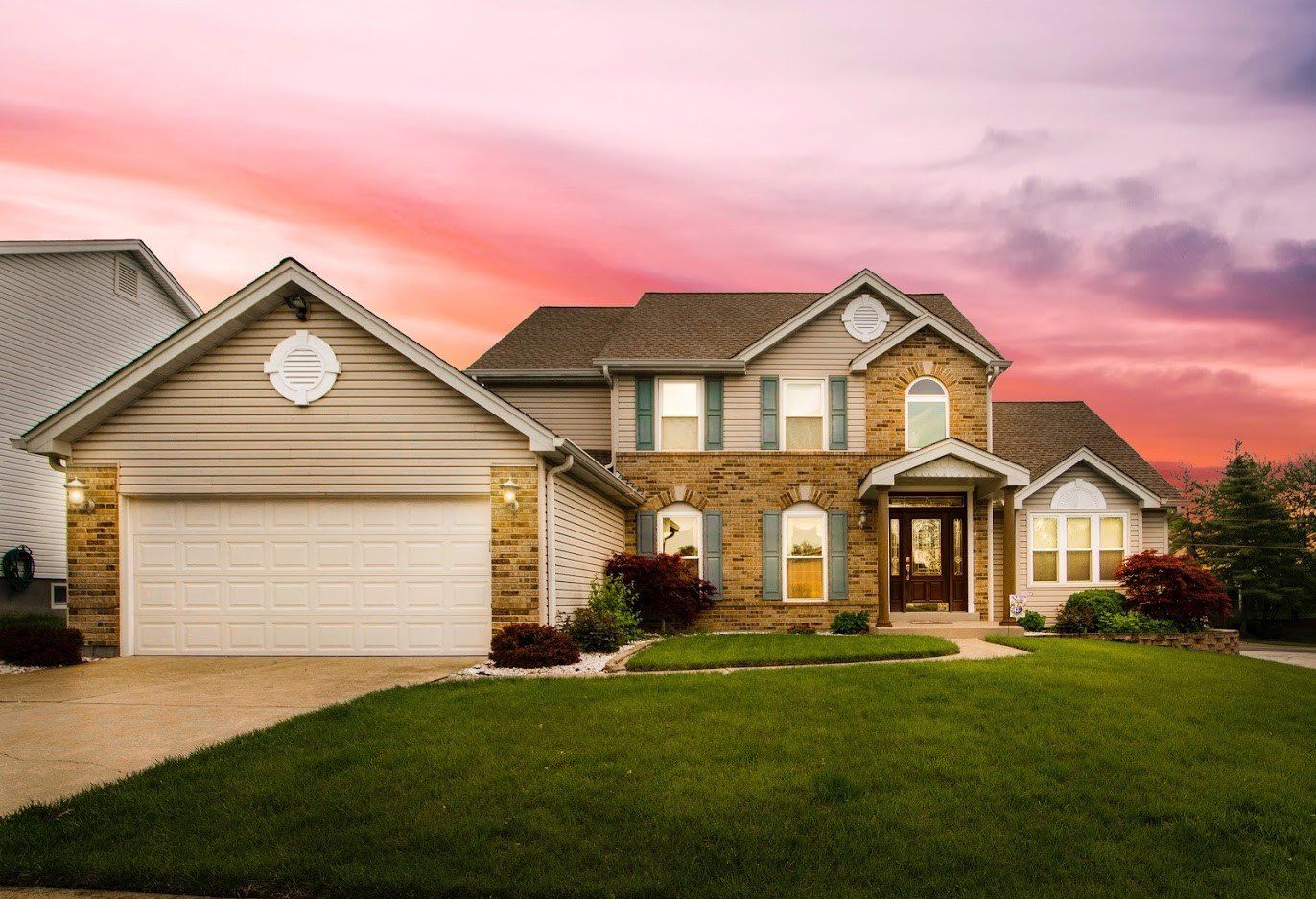
Roofs come in various designs or types. However, some designs are more common than others are across the country. Here is an overview of three popular roof designs plus their advantages.
1. Hip
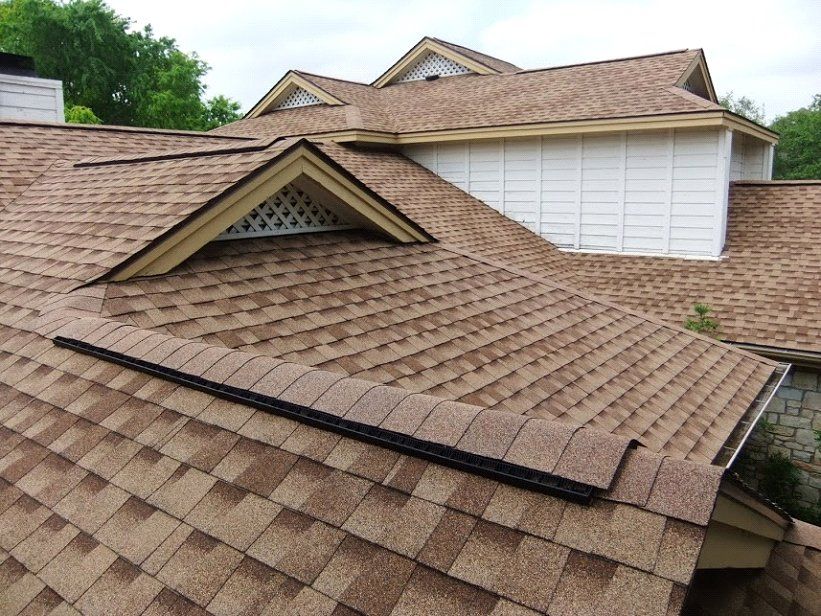
A hip roof has slopes on all of its sides. The roof doesn't have even a single vertical side. Technically, the hip is the ridge where a section of the roof meets another. Hip roofs come in different sizes and types. Below are the common forms of hip roofs.
Regular Hip
A regular hip roof is the simplest form of hip roofs. The roof has four triangular faces with two sides longer than the other. Regular hip roofs tend to have small attic spaces.
Half-hip
The half-hip roof is a hybrid of hip and gable roof designs. The roof resembles a gable towards the bottom but ends in a hip at the top.
Cross-hip
Cross-hip roofs are hip roofs over L-shaped buildings. The design is two sections of hipped roofs joined together at the building’s intersection. A roof valley forms where the two sections of the roof meet.
There are other forms of hip roofs in addition to the above three. Like other roofs, hip roofs have their pros and cons. Here are some advantages of hip roofs:
- The roofs have good wind resistance due to their aerodynamics
- They can accommodate wraparound gutters
- They provide great ventilation
- They provide efficient drainage
Talk to your roofing contractor for more information on hip roofs.
2. Gable
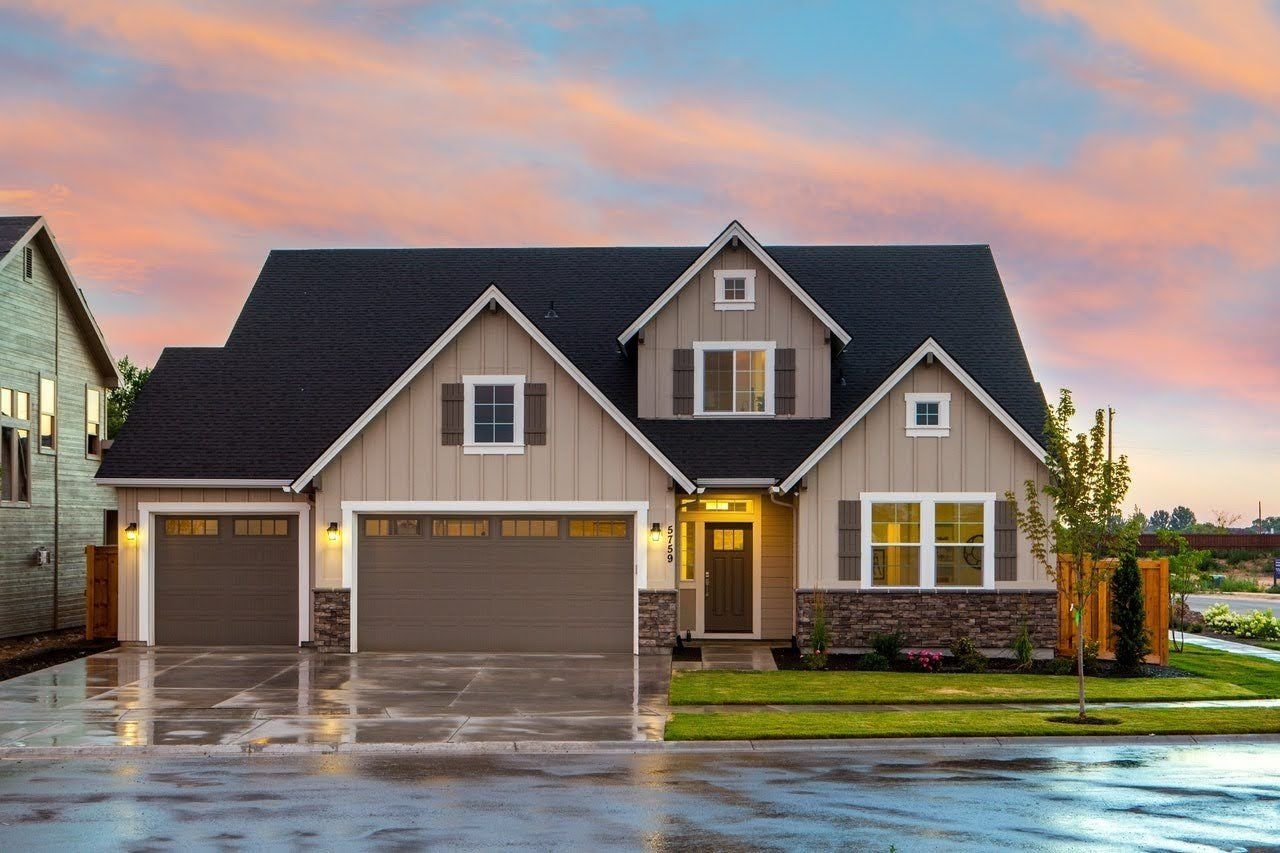
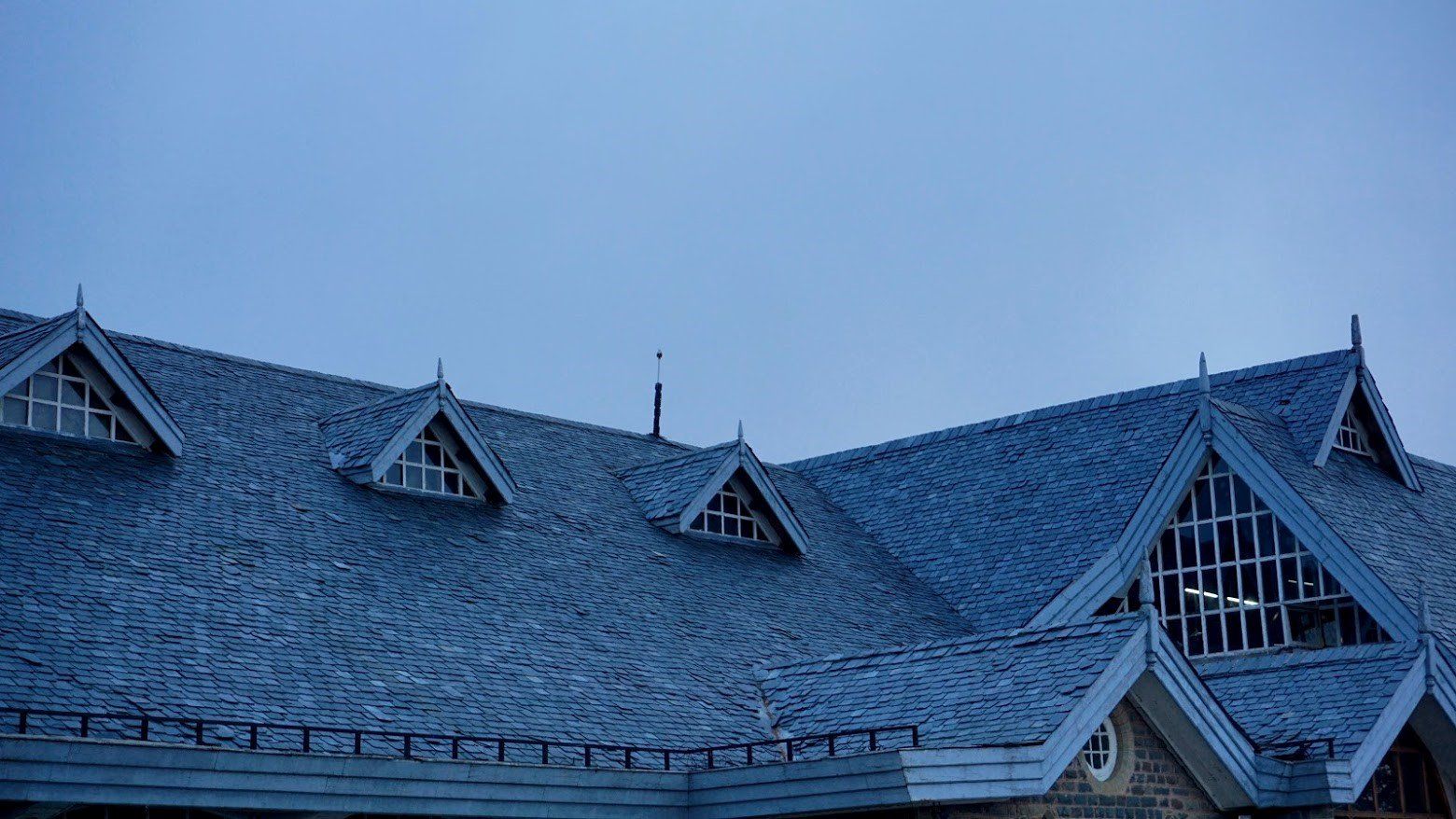
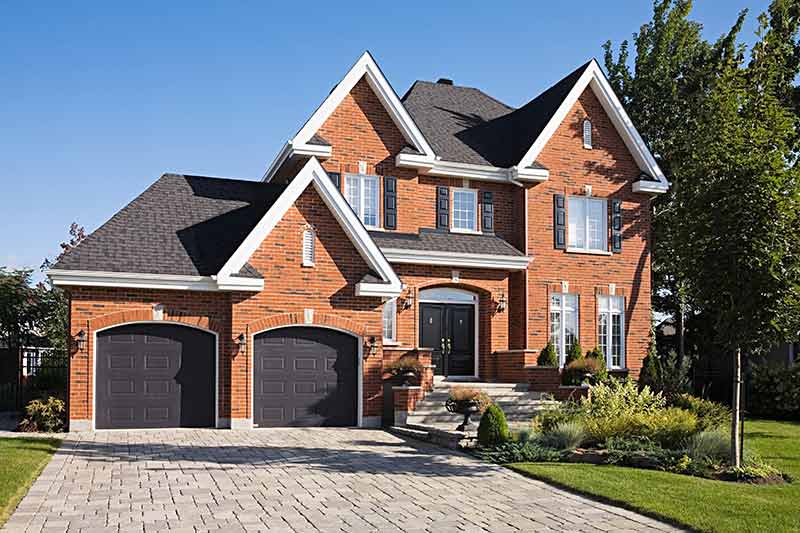
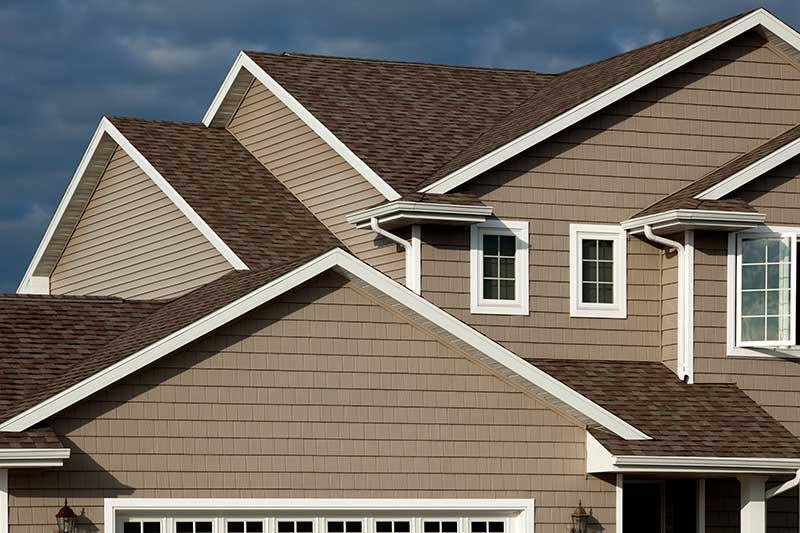
A gable roof features two sloping sides that meet at the top to form a ridge. The two slopes form triangular extensions on both ends. Technically, the triangular extension is the gable. Like hip roofs, gable roofs also come in various forms. Below are three common ones.
- Front: The main entrance of the house sits under the gable. The gable faces the street.
- Side : The main door sits under the gutter side of the house rather than the gable side.
- Cross: The roof has multiple gable roofs that intersect each other. The roof ridges, where the gables meet, run perpendicular to each other.
Gable roofs have multiple advantages, for example:
- They are relatively easy to construct
- They create reasonable attic spaces
- They are relatively inexpensive
- They allow efficient drainage
Like other roofs, the size, materials, and type of your gable roof will determine its construction cost.
3. Flat
A flat roof has an extremely low pitch and is almost horizontally level. A perfectly flat roof isn't desirable — a little slope is necessary to facilitate water drainage off the roof. The main types of flat roofs include:
- Membrane: The roof features a sheet of material, such as rubber, that lies flat on the roof. The roofer can glue the membrane or use weights to hold the membrane in place.
- Built-up : The roof consists of different layers of construction materials, mainly gravel, tar, and ply sheets.
- Modified bitumen : The roof features a combination of plastic, rubber, and polyester (or fiberglass).
Flat roofs are common with commercial properties, but you can also have a flat roof on a residential house. Below are some of the advantages of flat roofs:
- They are relatively inexpensive since they don't use as much material as other roofs.
- They are relatively easy to install.
- They provide you with extra outdoor space.
- They are easy to inspect and maintain.
Your roofing contractor can help you choose the best flat roof materials for your area.
These basic roof designs have multiple variations. Contact ABCO Roofing about your roofing needs. We will explain to you the pros and cons of all the possible designs plus their costs. That way, you can make an informed decision on which roof to install.