WARNING SIGNS YOU SHOULD REPLACE YOUR ROOF
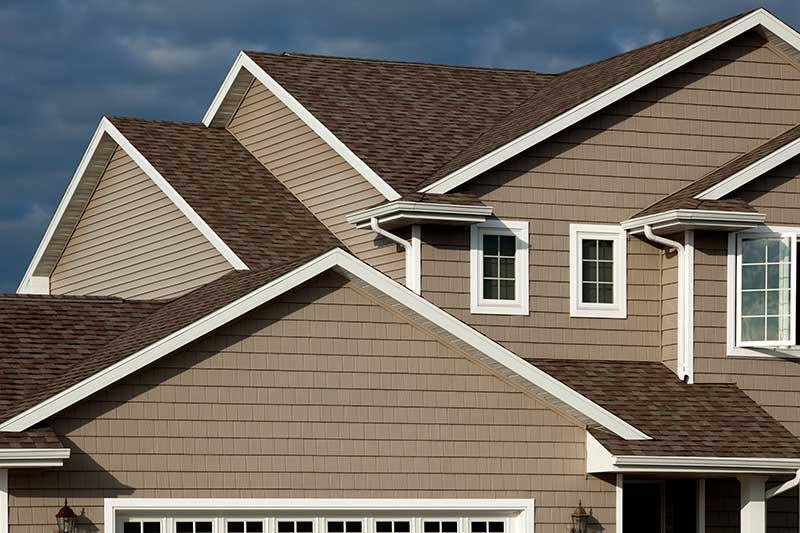
A failing roof is no joke. Not only is it unsightly and your roofline does comprise a large portion of your house's facade but it can lead to long-term damage. Water leakage can warp the underlying structures of the roof and top floor of your house. What's more, drafts in the roof mean your house's envelope isn't airtight, leading to higher heating and cooling costs.
Take a walk around the perimeter of your house, and view the roof from different angles. Also inspect the rooms directly below the roof. While some minor issues can be spot-repaired, the following signs signify you should replace your roof in its entirety.
CRACKED, CURLING, OR BUBBLED SHINGLES
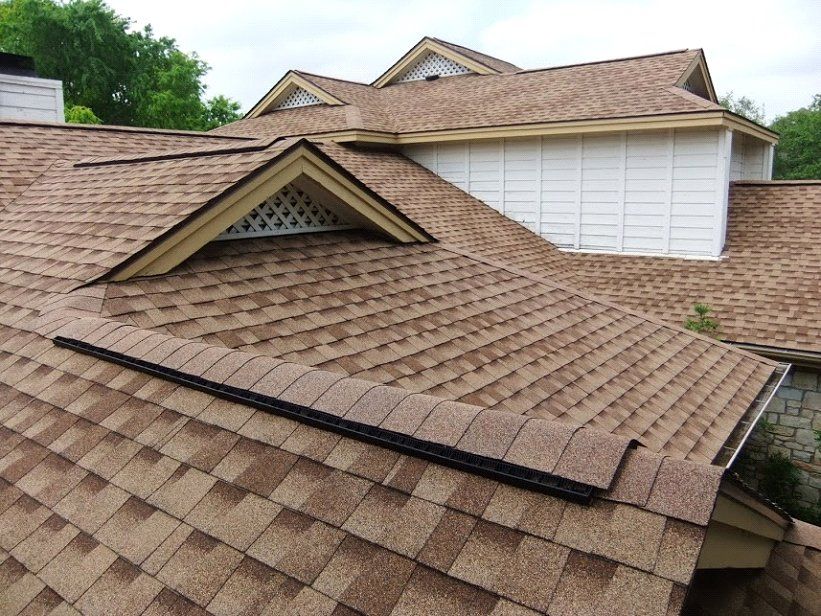
Your shingles can show signs of weathering in different ways. One is if they're cracked and losing material. They can also start curling up, which is called cupping. Clawing or bubbling is when the edges stay flat but the middle bubbles up.
These signs can indicate your shingles are past their life expectancy and starting to fail. Failing shingles can trap moisture underneath, promoting the growth of mold and even moss.
SHINGLE GRANULES IN THE GUTTERS
You may not see the signs of cracking shingles by looking at the roof itself. However, take a look at your gutters. If you see granules in the gutters, your shingles are shedding material. Look also for inconsistent coloration of the roofing. You may not see the cracks, but lighter and darker spots are another indication that the shingles are shedding material.
MISSING SHINGLES
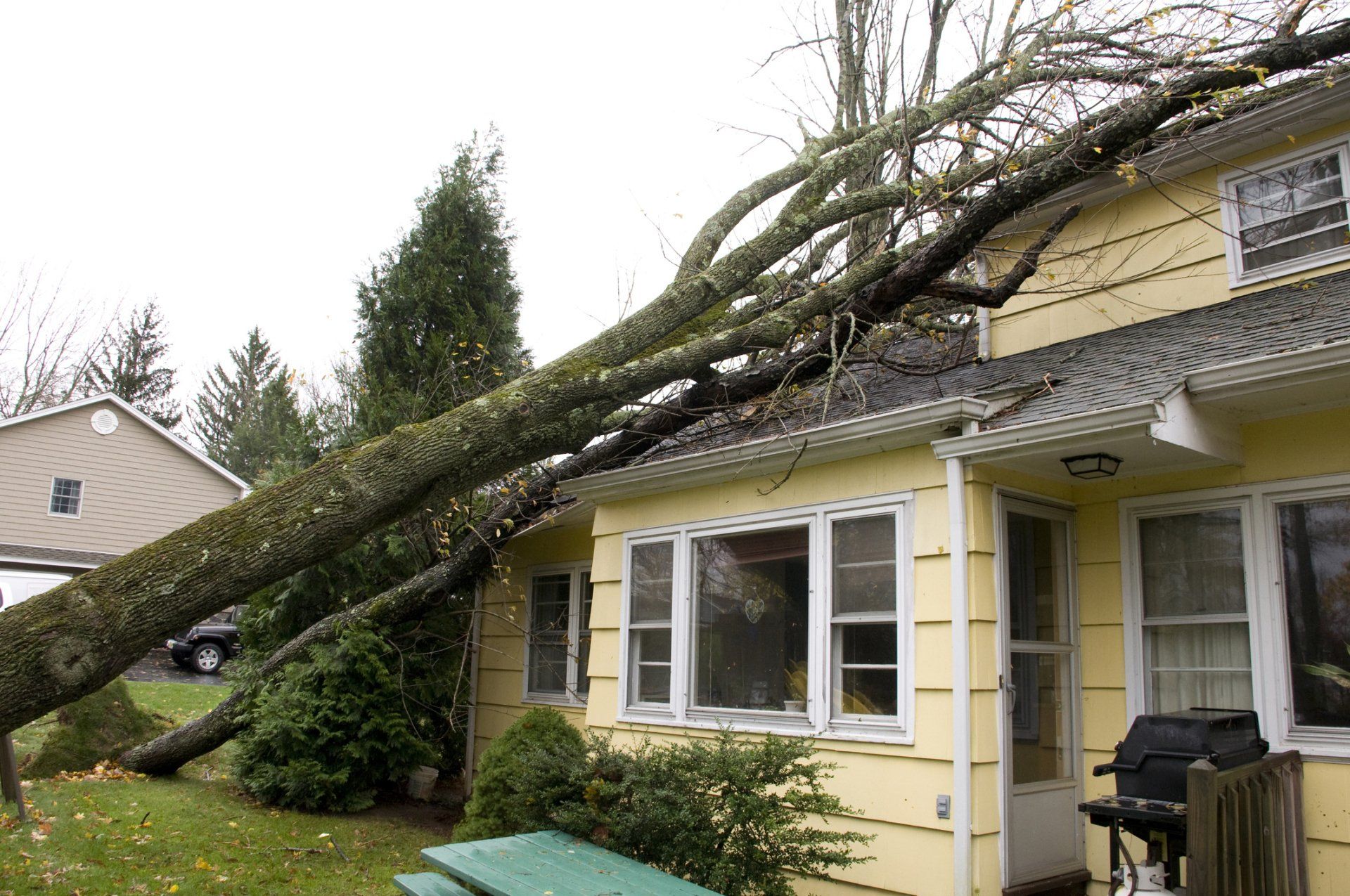
A major sign that your roof is failing is if it's missing shingles altogether. This can be a sign that the shingles are past their life expectancy, or the damage can occur after a storm. According to Good Housekeeping, replacing the missing shingles is an option. However, it's unlikely you'll be able to match the color. If the missing shingles are a result of expiring materials, replacing them is just staving off the inevitable.
Not only do missing shingles expose the underlying structures to water damage and rot, they can make the surrounding shingles more susceptible to blowing away.
CHIMNEY FLASHING MATERIAL
Don't just focus on the roof itself. Your chimney flashing, which is the material that connects the chimney to the roof, can signify an aged roof. For example, old construction methods sometimes called for using roof cement or tar for the flashing, but this doesn't create a watertight connection. At minimum, such flashing needs to be replaced with a fitted metal system.
Even if your flashing is already metal, it can start rusting. This is either a sign that your roof is leaking, or it can cause the leaking. Neither is good for your roof.
INTERIOR SIGNS
Inspect the rooms under the roof for further signs of damage. Maybe you can actually see daylight through the ceiling that's a clear indication that your roof needs attention. However, look also for signs that water has been leaking into the room. You might notice peeling wallpaper, cracked paint, or discolored plasterboard.
ROOF AGE
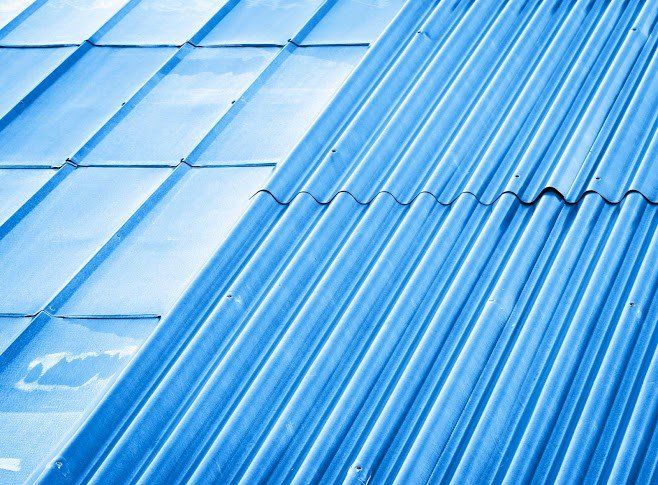
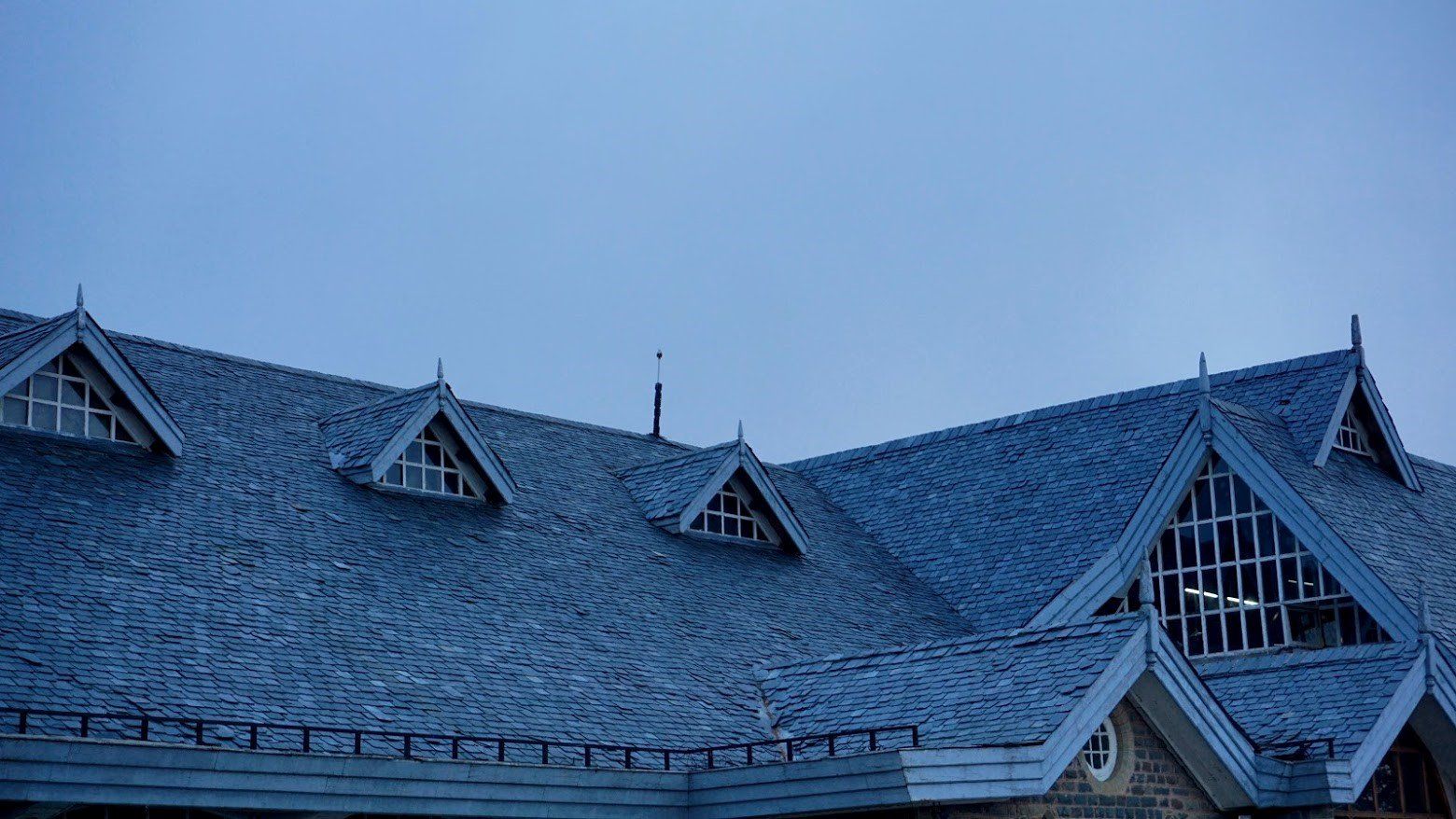
The life expectancy of your roof depends on the material used in construction. Roofs made of tile or metal can last around 40 years. Slate roofing lasts 100 years or more. However, the most common roofing material is asphalt shingling. Asphalt shingles last 20 to 30 years. If your roof is within that expiration period, a roof replacement is probably in the near future.
Don't wait until you see the alarming signs of a sagging or buckling roof, which is an indicator that structural damage has occurred. If you see the above warning signs, talk to A-B-C-O Roofing Company about your options for replacing your roof.