3 Ways Your Roof Affects Your Home's Energy Efficiency
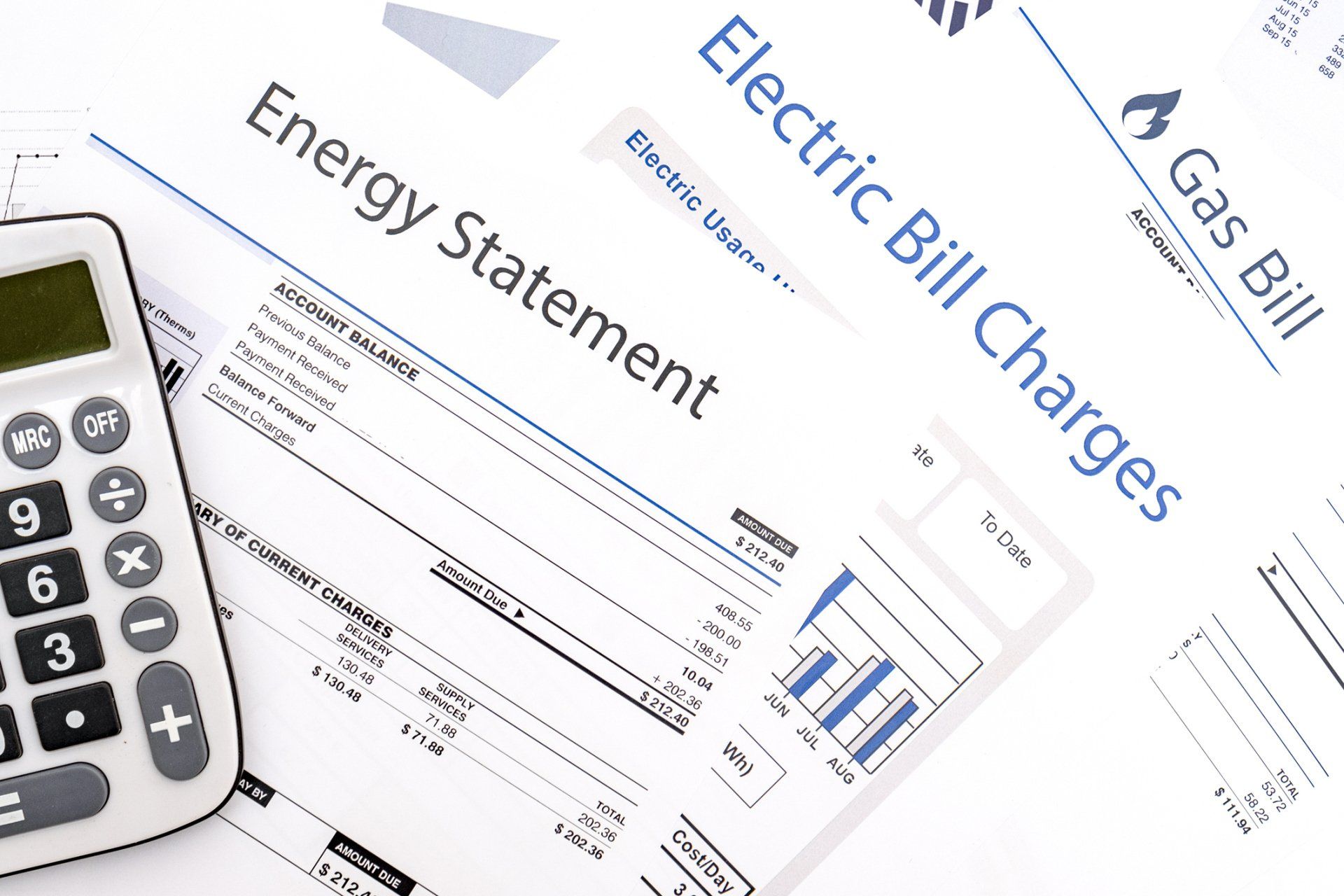
Your roof is your home's first line of defense against the elements, but did you know it also has an impact on your energy bill? A roof made of the right material, with proper installation and maintenance, can make heating and cooling your home much more affordable. Here are three ways your roof affects your home's energy efficiency.
1. Solar Reflectance
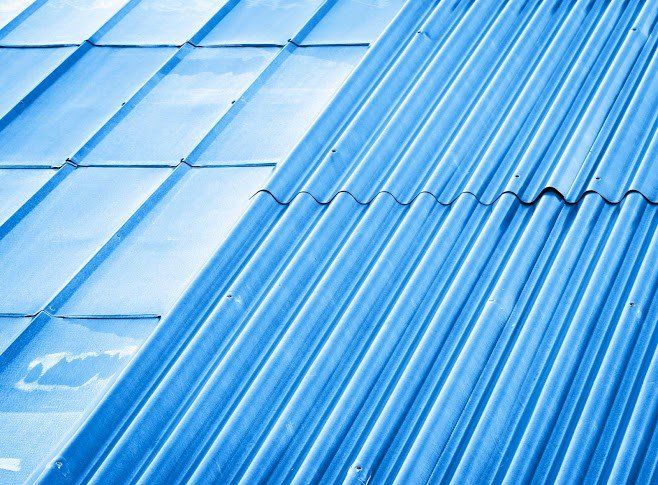
The solar reflectance of any roofing material is denoted by its Solar Reflectance Index rating, or SRI. This metric describes the percentage of heat and energy from the sun that the roof reflects. A roofing material with a high SRI rating will keep your home cool in the summer by reflecting more of the sun's heat. The benefit of this is that you don't have to run your AC as frequently to keep your home cool.
However, the material used to make your roof isn't the only thing that affects solar reflectance. Just like a darker vehicle will hold more heat on a hot day, a roof that is darker in color will absorb more heat rather than reflecting it. When it's time to install a new roof, a light color will keep more of the sun's heat out of your home and reduce the strain on your air conditioner.
2. Insulation and Ventilation
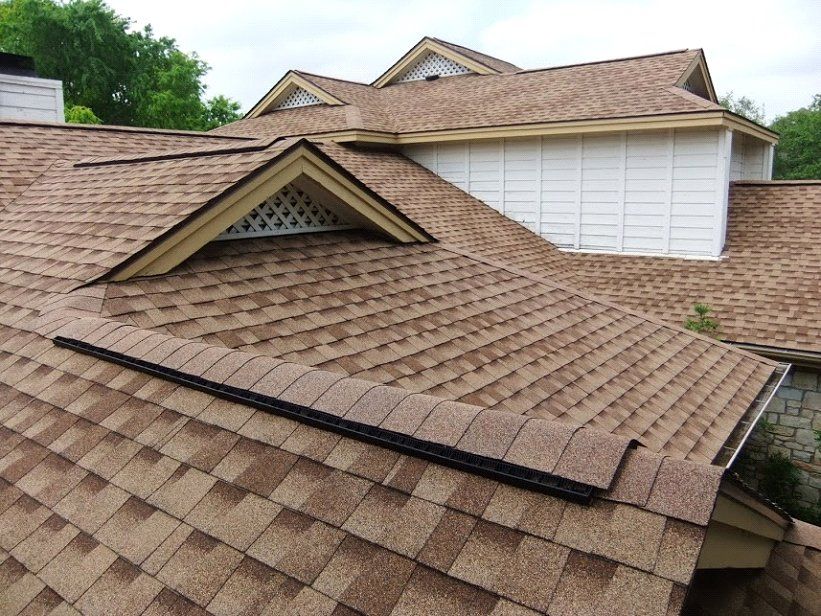
The features on the underside of your roof are just as essential to energy efficiency as the shingles or tiles you use. And, luckily, your roof's insulation is accessible from the attic, so you can visually inspect it for problems, such as gaps that need to be patched. Poor attic and roof insulation allows conditioned air to escape your home, especially heated air in the winter months that naturally rises to the attic.
Roof ventilation is just as important as insulation to create the proper airflow balance under your roof. Without ventilation, too much heat could collect in your attic in the winter months. Air under the roof that is constantly warmer than the outside air during the winter can cause ice dams or walls of ice around the edges of your roof. Ice dams hold water in place and make leaks more likely to develop.
Warm air is more moist than cool air, so the heated air that rises to your attic can cause mold and mildew problems if there isn't enough ventilation. Mold from moist air under your roof can infect the roof from the inside out. For example, mold in the underlayment causes roof rot, increases the occurrence of leaks, and causes your roof to wear more quickly than it should.
3. Eave Design
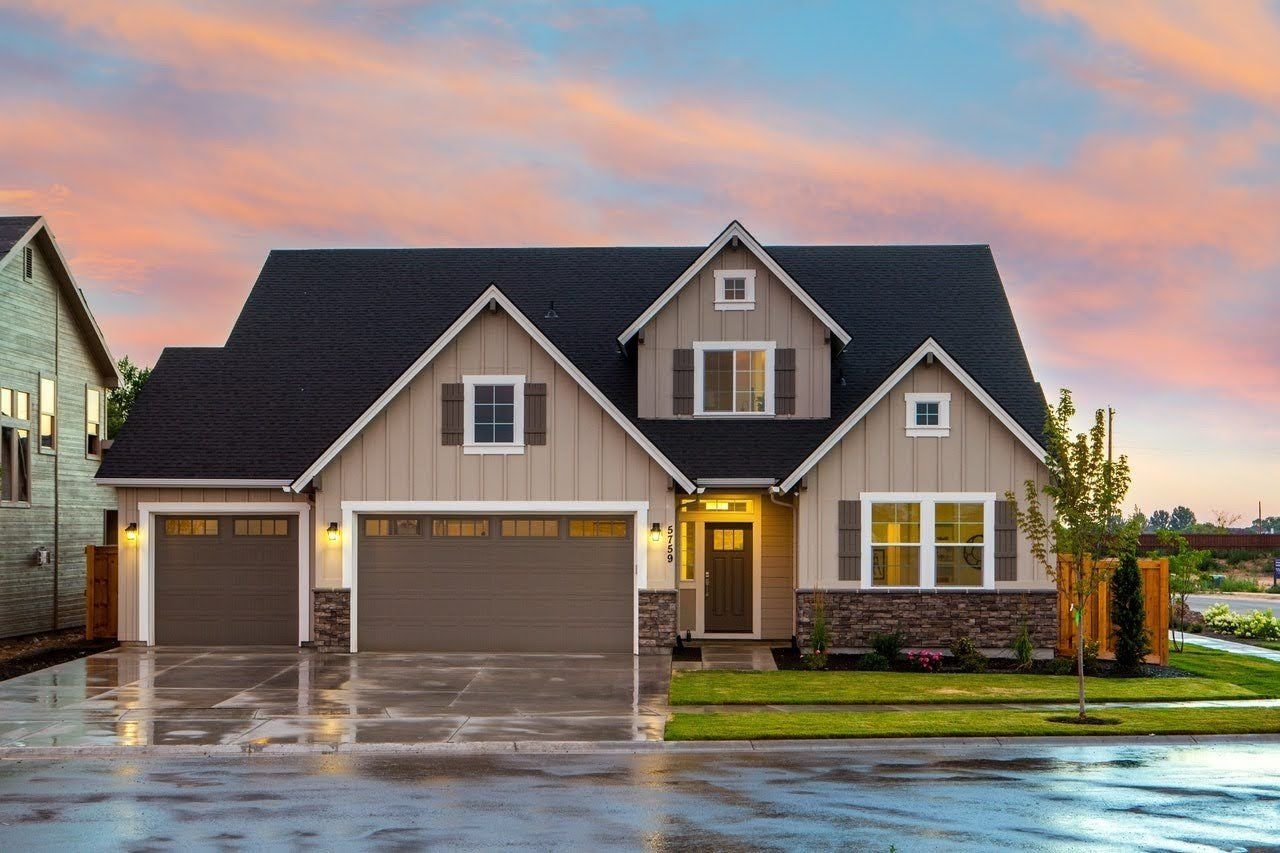
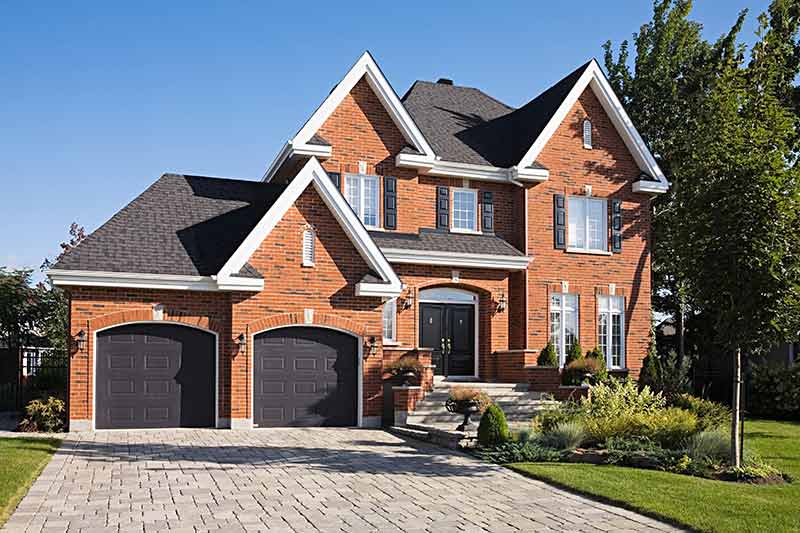
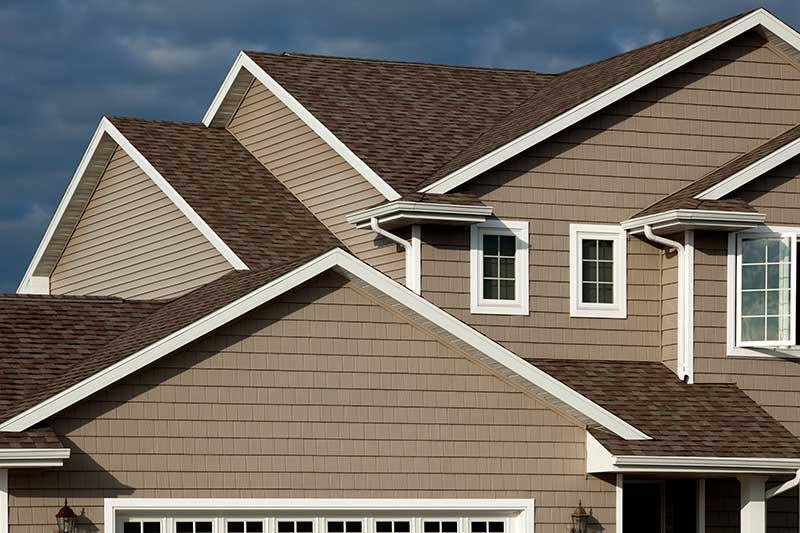
Much of the heat that your air conditioner works against in the summer months comes from sunlight entering your windows. A roof with enough overhang can counteract this problem by casting shade on all or part of your windows and blocking sunlight. Overhanging eaves add a unique appeal to your home's exterior while reducing your energy needs.
In the northern hemisphere, a south-facing roof overhang is the best choice to block sunlight. Overhangs on the southern face of your home will keep out more heat and light in the summer months, while still allowing warmth and light to enter during the winter. Overhanging eaves make year-round energy efficiency easier to achieve in any home.
Whether you want to install a new roof or perform repairs and maintenance on your existing one, it's a great way to improve your home's energy efficiency. The right roof design with proper insulation and ventilation will assist your HVAC system in meeting the heating and cooling demands of your home.
If you need upgrades or repairs to improve your roof's energy efficiency, call ABCO Roofing Company Inc.so we can find the best solution for your home.